



Meet Ashley Rose, a Doula, Coach, Mom & Educator Supporting Families on the Parenthood Journey After Loss
This post talks about pregnancy and infant loss, including miscarriage and stillbirth, and shares pregnancy after loss support from a doula who has lived it. Please be gentle with yourself as you read.
Most of what I share here celebrates the big moments like brand new babies and families growing up. But not every story goes the way we planned. Some of the families who find their way here are carrying a loss that the people around them don’t always see.
In this post, I want to introduce you to Ashley Rose Salvitti. Ashley is a Doula, Coach, Mom, and Educator who supports families through pregnancy loss, infant loss, and pregnancy after loss. She’s the founder of Doula Synergy, which hosts monthly in-person pregnancy loss grief circles in Salem, Oregon, and the creator of The Pudding Club, a community for parents who are pregnant again after losing a baby. Her pregnancy after loss support, including one-on-one coaching and The Pudding Club, happens online, so families anywhere can work with her.
I asked Ashley to share her story and her wisdom, both for families walking through loss and for the friends and family who love them and aren’t sure what to say. And if you’re a doula yourself, Ashley created a training called Compassionate Support Through Loss for Doulas, and she shares why she believes every doula should have bereavement training a little further down in this article. Her answers are below. I hope they find exactly the person who needs them.

(photo of Ashley by Tanya Hladik https://www.tanyahladik.com/)
Ashley, tell us about yourself and what led you to support families through loss.
Hello! My name is Ashley Rose, and I’m a Doula, Coach, Mom, and Educator. I became a doula because of my own experiences with pregnancy and infant loss, and because I saw how deeply families need support through these experiences.
My oldest daughter is 11, and that pregnancy was full of so much joy. We expected the same experience with our second daughter, Lena, but she was stillborn at 29 weeks. That was the moment everything in my world changed. I had no idea anything could go wrong in the third trimester. I thought we were just smooth sailing.
We had wonderful support while we were in the hospital, but once we went home, that support seemed to disappear. My heart was broken, my arms were empty, my breasts were engorged, my house was a mess, and I had no idea how to move forward.
We became pregnant again shortly afterward, and those two pink lines that once would have filled me with joy instead filled me with fear. Pregnancy after loss was completely different. I struggled to feel joy or excitement and felt disconnected from my baby. We ultimately experienced another miscarriage.
Pregnancy after loss is such a wild ride. There are so many unknowns, fears, and challenges that people don’t always understand. I became a doula because I wanted to provide the connection, care, support, and encouragement I had needed. I want to help families feel less alone and, when they’re ready, find moments of joy in pregnancy again.
Today, I work as a doula and coach, supporting individuals and families through many stages of the parenting journey, with a special focus on pregnancy after loss and perinatal bereavement.
I’m the creator of The Pudding Club, a community for parents navigating pregnancy after loss. Through education, community, coaching, and practical resources, The Pudding Club helps parents navigate fear and uncertainty while creating more space for hope, connection, and joy in the pregnancy they’re experiencing now.
I also founded Doula Synergy, an organization dedicated to advocating for doula support through perinatal loss, equipping doulas with the education and tools they need to support families through loss, and creating stronger connections between doulas, families, and providers. Doula Synergy is still in the early stages of development and is fiscally sponsored by the Star Legacy Foundation.
At the heart of all of this work is a belief that families deserve to feel informed, supported, and cared for. Not only through pregnancy and birth, but through loss, pregnancy after loss, and everything that comes with rebuilding hope along the way.

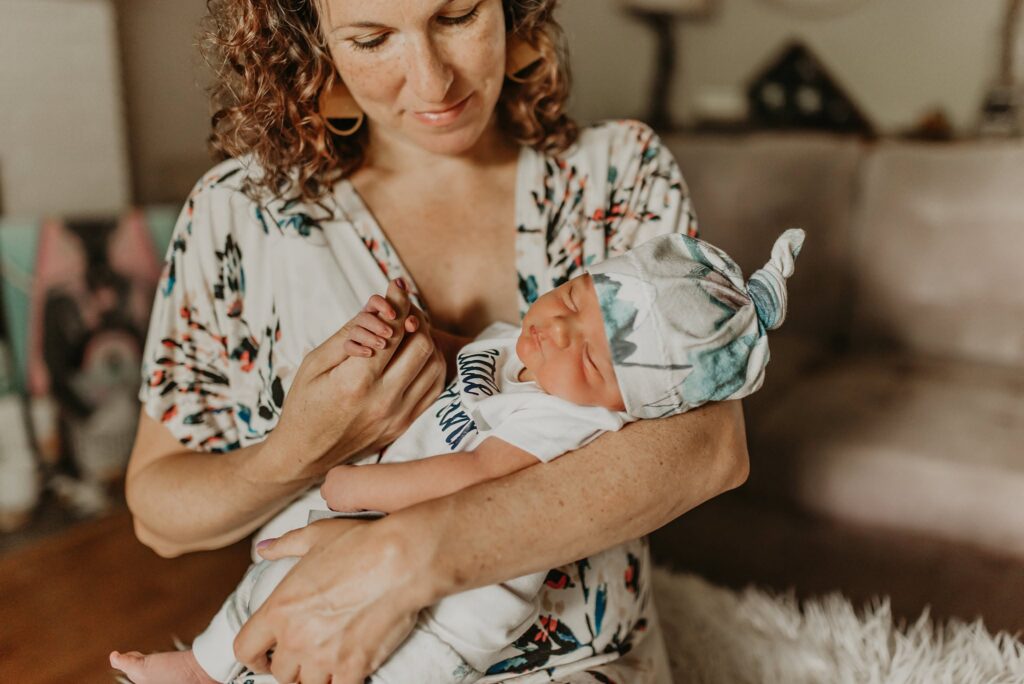
(photo of Ashley and her daughter taken by Nicki Bergeson https://www.3sistersphotography.com/)
What does perinatal loss support look like, and who do you work with?
I believe doula support is THE critical missing component of care for families experiencing perinatal loss. Bereavement-trained doulas understand the complexities of loss and can provide support in the ways families truly need.
That support looks different for every family. Sometimes it means simply being there and listening without judgment. Sometimes it means helping with postpartum healing and physical recovery, making sure someone is eating and staying hydrated, helping with household responsibilities, or taking care of pets or other family members.
There is also so much education and advocacy that can help. Families may need help understanding what is happening physically, navigating conversations with medical providers, finding community support groups or counseling, or connecting with other resources.
I also offer one-on-one coaching virtually. Coaching provides a space to process the emotional journey that comes with loss, to feel heard, validated, and supported. While I don’t diagnose or treat mental health conditions, I can provide referrals when needed. Coaching is always forward-moving, so we acknowledge where you are right now and then gently work together toward a future that feels a little more manageable and peaceful.
Through Doula Synergy, we also offer monthly in-person grief circles in Salem, Oregon, for the person who carried the pregnancy. It’s a space to be held, to acknowledge their loss, and to honor their baby. We begin with grounding, share a topic and reading, talk as a group, and then break into smaller groups where everyone gets uninterrupted time to share what’s on their heart. We often include a ritual or creative activity before closing with gratitude and something each person is taking with them.
There is something incredibly powerful about being in a room with people who don’t need you to explain why this hurts.
What does a bereavement doula do?
A bereavement doula is a trained, non-medical support person who provides emotional presence, education, advocacy, and practical care. That can include:
- Emotional support without judgment or pressure to “move on”
- Education about the physical and emotional aspects of loss
- Support during labor and birth
- Postpartum care, including guidance around lactation, milk suppression, or milk donation
- Help communicating with the medical team and advocating for the family’s wishes
- Support with memory-making and rituals
- Help with meals, household needs, and sibling care
- Continued check-ins after the hospital stay is over
Bereavement support doesn’t end when you leave the hospital. For many families, that’s actually when the hardest part begins.
This support can help families experiencing miscarriage, stillbirth, neonatal loss, pregnancy termination for medical reasons, or a complex or life-limiting prenatal diagnosis. It can help families preparing to give birth to a baby who isn’t expected to live, and parents navigating pregnancy after loss.
What do you wish more people understood about grief after pregnancy or infant loss?
I wish more people understood just how complex pregnancy and infant loss really is. When someone loses a baby, even if it was “just” a chemical pregnancy, they aren’t only grieving the baby. They’re grieving the future they imagined, the identity they had already begun to build as a mother, and the place that baby already held in their family.
There are so many secondary losses that come with pregnancy and infant loss. Everything changes. You’re relearning who you are in a world that looks completely different than you expected. And you are physically living in the body, the home, and the environment where your baby once lived.
The way loss is often dismissed or minimized in our culture can be incredibly invalidating.
If you’re grieving, I want you to know there is no wrong way to do it. There is no one right way to feel and no timeline for grief. Your grief is yours, and it is unique to you. Find the people who will listen, support you, and sit with you, even if they don’t completely understand.
Grief changes us. And while I would never say that loss is something we should be grateful for, there can be something beautiful about learning who you are and what you need as you move through it with grace.
What can friends and family say to someone experiencing a loss?
Thank you for asking this, because friends and family often mean well, but sometimes they don’t know what to say and can unintentionally say something hurtful.
The truth is, there usually isn’t anything you need to say to make it better. Just being there, being present, and being willing to listen is one of the most meaningful things you can do.
Don’t be afraid to acknowledge the loss. Don’t act like everything is okay because you’re uncomfortable mentioning it. Be willing to sit in that discomfort with them.
Simple, heart-centered things like “I’ve been thinking about you,” “I’m here,” or “I remember your baby” can mean so much.
You don’t need to have the right words. You just need to be willing to show up.
I created a course for friends and family who want to learn how to support someone through perinatal loss, and I’m always happy to share it. For a limited time, Ashley is offering it free to my readers: follow her on Instagram and comment on her post sharing this blog, and she’ll send you a code for the course.

Are there things people say with good intentions that can actually hurt?
Yes. 100%. A lot of things.
Anything that dismisses the loss, tries to find the positive, or tries to explain why it happened can be incredibly hurtful:
- “Everything happens for a reason.”
- “This is God’s plan.”
- “You can still get pregnant.”
- “At least it was early.”
- “At least…”
No. No, no, no. Never “at least.”
This baby died, and that f***ing sucks. You don’t have to make it positive. You don’t have to find a reason. Acknowledge that it happened. Acknowledge that it hurts. Sit with them in that reality and let it be enough.
How can someone keep supporting a grieving parent in the weeks and months after a loss?
Support shouldn’t disappear after the funeral or once the initial shock wears off. There are five meaningful ways to keep showing up:
- Be present and listen. Keep checking in, even when you don’t know what to say.
- Offer practical help. Bring a meal, help with the house, run an errand, or help with other children.
- Honor their baby. Remember the baby’s name and birthdate (and/or due date), acknowledge birthdays and anniversaries, and let them know their baby hasn’t been forgotten.
- Provide resources and information. Help connect them with support groups, counseling, doulas, or other resources when they’re ready.
- Communicate thoughtfully. Don’t disappear because you’re afraid of bringing it up. Let them know you’re there and willing to listen.
I go deeper into each of these in my course for friends and family.
Why does it help to have someone specifically trained in perinatal loss?
There are so many things that someone who isn’t specifically trained in perinatal loss may not understand.
It blows my mind that doulas are trained to support people through pregnancy and birth but often aren’t trained to support them when that pregnancy or birth ends in loss.
That’s exactly why I created my Compassionate Support Through Loss for Doulas training. I believe every doula should have basic bereavement training. Without an understanding of the complexity of perinatal loss, how it affects families, what different types of loss can look like, and how to appropriately support someone through it, a well-intentioned person can actually cause more harm than good.
Families deserve the best support and care possible during such a pivotal moment in their lives.
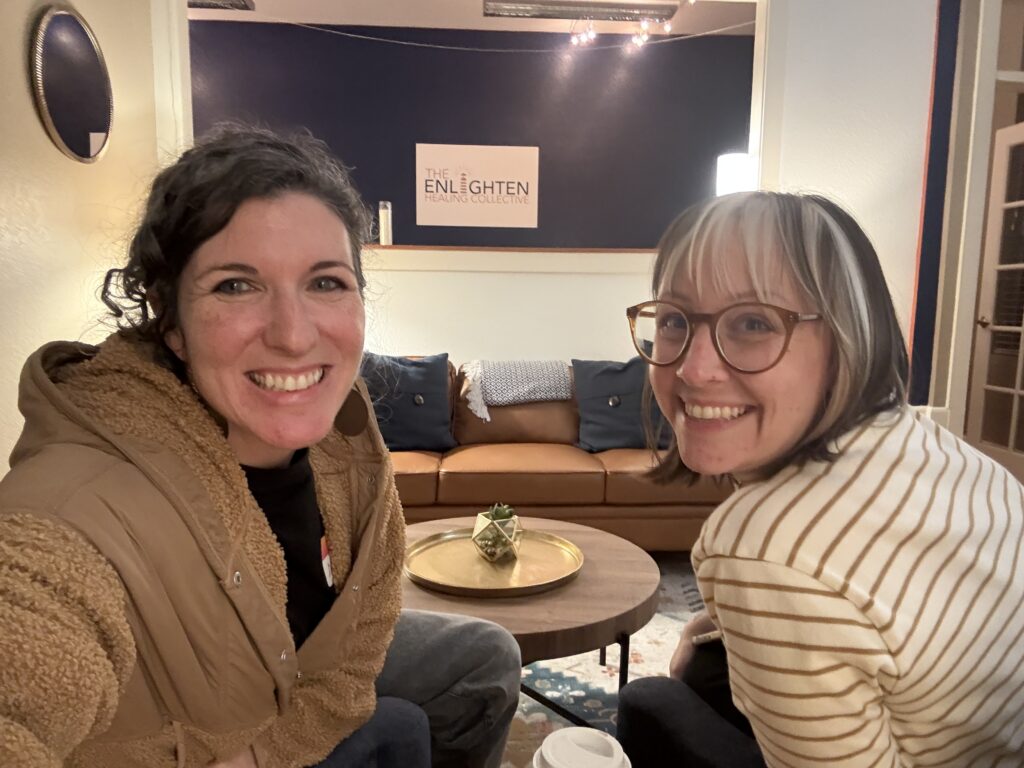
(Ashley and Samantha, grief circle facilitators)
What is one thing you wish everyone knew about supporting a family after loss?
There is no problem to solve and no box to check. Nothing you say will make it better. Just be present.
There is no specific timeline and no list of things that have to happen for someone to “move on.” They will never really “get over it.” Every individual is different, just as every family is different. What helped one person may not be what another person needs at all.
Be open-minded. Be curious. And most importantly, let them lead.
You don’t have to fix it. You just have to be willing to walk beside them.
How can families learn more about your services and connect with you?
I offer doula support, coaching, education, and resources for families navigating pregnancy, birth, postpartum, loss, and pregnancy after loss.
For those navigating pregnancy after loss, I created The Pudding Club, a free online community where parents can connect with others who understand the unique experience of being pregnant after loss. Members also have access to my Guide to Pregnancy After Loss, Navigating Fear 101, and a monthly Pregnancy After Loss Support Circle. Upgraded membership options include additional resources, my full library of courses and workbooks, the 40-Week Pregnancy After Loss Companion, group and 1:1 coaching, and text support.
For families experiencing perinatal loss, I also encourage you to visit Doula Synergy for support, education, and resources, including support circles, help connecting with doulas trained in bereavement support, and our free Guide to Life After Loss.

Where can people find you online?
You can connect with me and explore my work through Ashley Rose Doula, The Pudding Club, and Doula Synergy.
- Ashley Rose Doula: my Linktree includes links to my services, resources, social media, and The Pudding Club.
- Doula Synergy: find resources, programs, and ways to connect on the Doula Synergy Linktree.
- The Pudding Club: if you’re currently navigating pregnancy after loss, you can join for free here.
- For doulas: learn about my Compassionate Support Through Loss for Doulas training.
Anything else you’d like to share?
Thank you so much for the opportunity to share the work I do to support families through perinatal loss.
What was once such a taboo subject is becoming more widely talked about, and that is exactly what we need. Families deserve to feel less isolated and alone.
Supporting families through pregnancy, birth, and postpartum, especially when those experiences include loss, can truly change the way we care for one another and the way we build our communities.
We can’t control the outcome. We can’t control the future. What we can do is make sure people feel supported through whatever their experience brings.
No one should have to walk through this alone.
A Note from Jen
Ashley for sharing Lena’s story and the work that has grown from it. If you’re grieving a baby right now, I hope you’ll reach out to Ashley or to Doula Synergy. You deserve that kind of care. And if someone you love is grieving, Ashley’s course for friends and family is a beautiful place to start learning how to show up for them. To get it free, follow Ashley on Instagram and comment on her post sharing this blog, and she’ll send you a code.
Jen White is a portrait photographer based in Albany, Oregon, photographing families, newborns, and seniors across the Willamette Valley and the Southern Oregon Coast since 2011.


